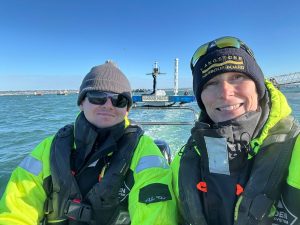
Case study from Andy Biddle, Director of Adult Social Care
What apprenticeships do you currently have apprentices on?
Adult Care Worker L2, Lead Adult Care Worker L3, Data Analyst L4, Leader in Adult Care L5, Nursing Associate L5, Social Worker L6, Occupational Therapist L6, Chartered Manager L6, Public Health Practitioner L6, Project Manager L6.
Why are apprenticeships important to Adult Services and how do they benefit your Service?
Apprenticeships give people the opportunity to get into the world of work, or to increase their skills, confidence and competence in a chosen area. This benefits the service that we provide to the residents of Portsmouth and encourages the value of life long learning and bringing fresh perspectives and challenges to help improve our services.
How do you think your apprentice(s) has benefited from their apprenticeship?
Colleagues develop their skills and become more confident about networking that can also help them benefit from more experienced colleagues and develop their effectiveness as an employee. It also helps people feel that the organisation invests in them and is interested in the person developing with the Council.
What would you say to encourage managers to provide apprenticeships at PCC?
These are usually a proportionate time commitment with the potential to have a greater impact on the core business. Investing and growing our own workforce promotes stability enables our people to develop and progress. Apprenticeships can be essential for our local residents as an accessible form of learning.
What our apprentice says
“This was an opportunity to learn new skills, build experience, learn from others and build professional networks. Public service depends on continual learning and development to refresh approaches and manage and balance the significant change agenda that is a fundamental part of the environment.”
Case study from Marie Lloyd, Team Leader
Why do you provide apprenticeships and how do they benefit your team?
Working with children and young people who are deaf, have a vision impairment or both (multi-sensory impairment) requires highly specialised knowledge and practical skills. Apprenticeships allow new professionals to learn these skills in a structured, hands-on environment. There is often a shortage of qualified staff in sensory support services. It is also a very specialist niche area. Apprenticeships help create a pipeline of trained professionals to meet growing demand. Apprenticeships offer an entry point into a rewarding career for people who may not have traditional qualifications but have the passion and aptitude for supporting individuals with sensory needs. In Jess’s case the Digital Champion apprenticeship provided continuing professional development and a career development and progression of her existing HLTA skills to a re-banding of her role from 6 to 8. By training apprentices under experienced mentors, the team ensures consistent, high-quality support for service users. Jess tailored her assessments and projects so that our service delivery was improved.
How do you think your apprentice(s) has benefited from their apprenticeship?
Jess’s job role was re-banded and this was a direct response to the new skills, knowledge and experience she bought to the role as a result of the apprenticeship but it also encouraged her to explore and develop a new area of specialism.
Motivation and new career path but still within our team of benefit of service users.
- Skills Development
- Digital Literacy: Builds strong foundational knowledge in digital tools, platforms, and emerging technologies and access technology.
- Problem-Solving: Learning how to troubleshoot and support colleagues with digital challenges.
- Data Handling: Gains skills in managing and interpreting data securely and effectively – supported in gathering feedback – quantitative and qualitative from service users.
- Career Progression
- Recognised Qualification: The apprenticeship provides a nationally recognized credential, boosting employability.
- Jess has recently presented at a tech conference on behalf of PCC in Birmingham.
- Confidence and Influence
- Champion Role: Empowered Jess to become a go-to person for digital queries, increasing visibility within the Education and Inclusion services.
- Leadership Skills: Develops communication and mentoring abilities by helping others adopt digital tools. Organising and leading tech days for the team.
- Practical Experience
- Hands-On Learning: Combines theory with real-world application, making skills immediately relevant to the workplace. Jess developed a communication platform for parents which has been very successful in organising social groups and trips.
What would you say to encourage other managers to provide apprenticeships at PCC?
Very easy to set up and implement – support from PCC Apprenticeships team is invaluable. Can make a huge positive difference to the service delivery and team but also the apprentice. Can lead to new innovations and direction. Other team members can grow and benefit with the apprentice.
What our apprentice says
“I thoroughly enjoyed my apprenticeship and the valuable skills it has equipped me with for my role. The program was engaging and provided great opportunities to collaborate with other professionals, learning how they applied the concepts we were studying. The assignments encouraged me to reflect on how these skills could be integrated into my specific responsibilities, while the project element allowed me to deliver something meaningful for our team, something I might not have had the time to achieve otherwise.
I felt well supported throughout the apprenticeship and hope that what I’ve learned has positively impacted both the students I work with and my colleagues. By introducing new tools and approaches, we’ve been able to work more efficiently and explore innovative ways of doing things.
The apprenticeship also opened doors to numerous CPD opportunities and conferences, and I was even invited to speak on a panel. As a result of my development, my role was re-banded, and I was honoured to receive the ‘Apprentice of the Year’ award. I’m truly grateful for the opportunity to undertake this apprenticeship and am already seeing the positive impact it’s having on myself and those around me.”
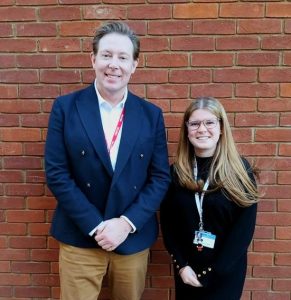
Case study from Sam Rickeard, Housing Regulation Manager
Why do you provide apprenticeships and how do they benefit your team?
Apprenticeships allow us to recruit from a wider pool of experiences and skills to complement the existing team, whilst provided the training and industry recognised qualifications to grow capable officers. There is a nation-wide shortage of environmental health professionals, who were traditionally recruited in these roles. Recognising this and facing increasing demands in the service, the option to recruit apprentices ensures we are planning for the future and growing the team to meet these pressures.
How do you think your apprentice(s) has benefitted from their apprenticeship?
Apprentices have had the opportunity to develop in the role through practical experiences, training, shadowing and gaining exposure to all elements of the work. The qualification that sits alongside their work helps build apprentices’ industry knowledge develop understanding of the technical elements of our work.
What would you say to encourage other managers to provide apprenticeships at PCC?
Developing officers through an apprenticeship programme allows you to meet service demands and grow a workforce in line with your values and principles.
What our apprentice says
“My experience working in local authority started as an apprentice, initially in the social housing sector and then progressing into a management role in a regulatory service. The knowledge and experience I gained as an apprentice allowed me to develop in the industry and progress my career beyond the apprenticeship.”